Collaborators

The investigators and laboratories we build multi-institution studies with.

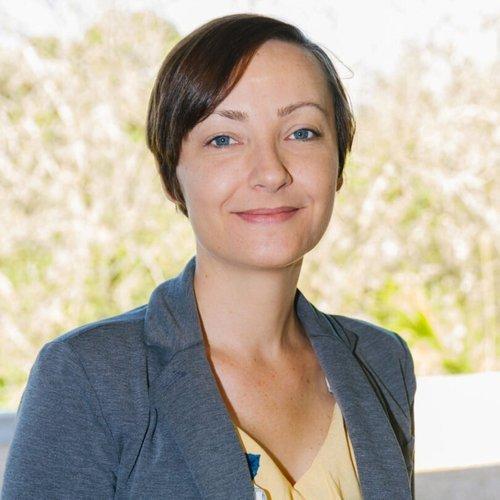
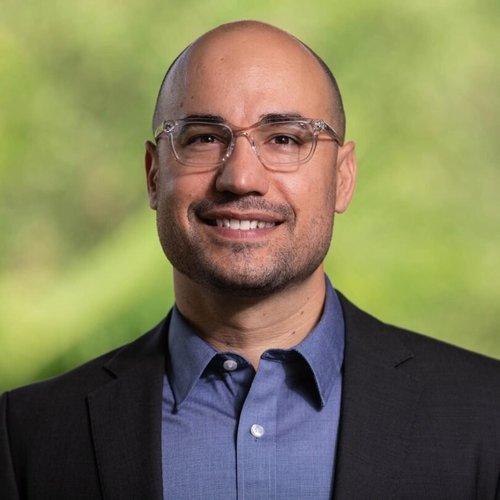
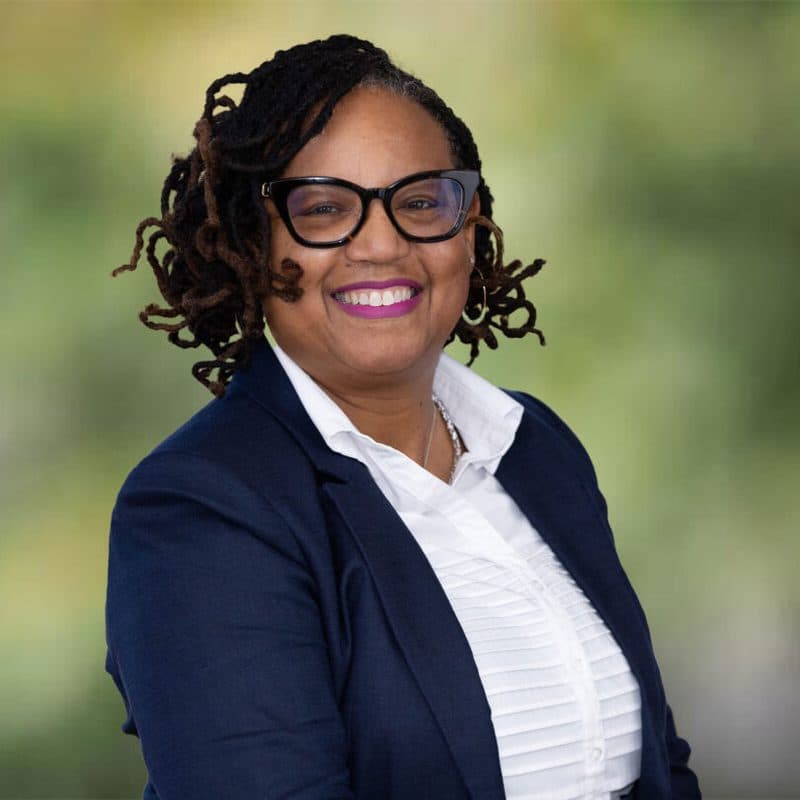
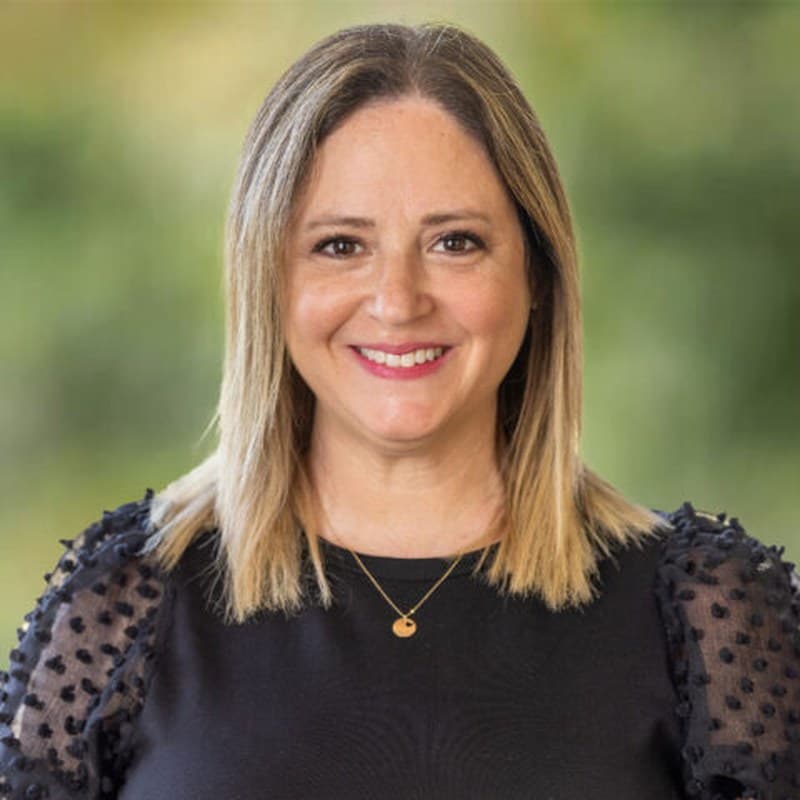
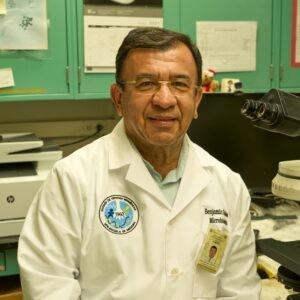
Benjamín Bolaños-Rosero, PhD

Benjamín Bolaños-Rosero, PhD

University of Puerto Rico – Medical Sciences Campus

Aerobiologist and mycologist who runs the tropics’ only NAB-certified aeroallergen (pollen and fungal spores) monitoring stations and links outdoor fungal spores to asthma in Puerto Rico.

Full bio

Professor in the Department of Microbiology and Immunology (Ph.D. in Microbiology/Immunology, Duke University). His laboratory studies the environmental triggers of asthma in Puerto Rico through aerobiology: it runs the only National Allergy Bureau-certified pollen and fungal-spore monitoring station in the tropics, and has linked high outdoor spore levels to asthma emergency visits and hospitalizations. He also develops diagnostics for allergy to the basidiospores and ascospores that dominate the island’s air, for which no commercial extracts exist, using the halogen (haloantigen) assay and purified Ganoderma applanatum extracts. Learn more →
Filipa Godoy-Vitorino, PhD

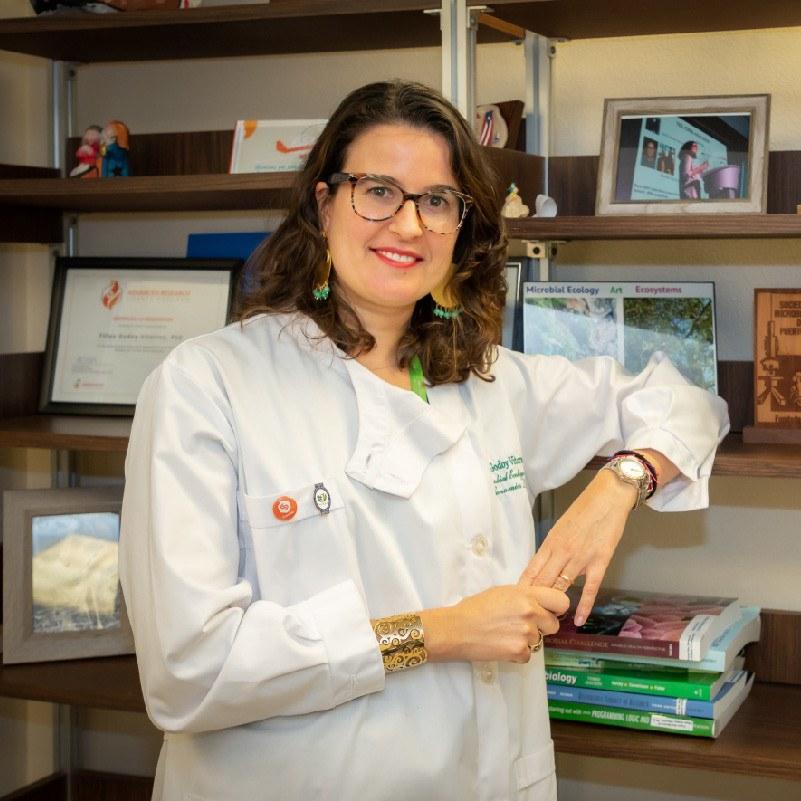
Filipa Godoy-Vitorino, PhD

University of Puerto Rico – Medical Sciences Campus

Microbial ecologist and department chair; leads the UPR Microbiome Lab and helped establish the Caribbean Microbiome Center.

Full bio

Microbial ecologist, tenured professor, and chair of the Department of Microbiology and Immunology. Principal Investigator of the UPR Microbiome Lab and instrumental in establishing the Caribbean Microbiome Center, a regional node for collaboration, capacity building, and mentorship in microbiome science.

Trained in biology at the University of Porto (Portugal), she earned her Ph.D. in Microbial Ecology at UPR Río Piedras (2009) and was an NSF postdoctoral fellow in metagenomics at the U.S. DOE Joint Genome Institute (2009–2012). Her lab pioneered metagenomic and bioinformatic approaches to the human microbiome in Puerto Rico, integrating multi-omics to understand host–microbe coevolution, dysbiosis, and microbiome-driven disease, including the vaginal and cervical microbiome in Hispanic women. Learn more →

Humberto Cavallín-Calanche, PhD

Humberto Cavallín-Calanche, PhD

University of Puerto Rico – School of Architecture

Architect and design theorist studying how buildings, people, and disasters shape indoor microbiomes.

Full bio

Architect and design theorist bridging architecture, environmental psychology, and microbiome science. Tenured professor and Director of the Center for Design Research, he studies how human activity and catastrophic events such as Hurricane Maria shape indoor environments and their microbial landscapes.

He holds a Ph.D. in Architecture (Design Theory and Methods) from UC Berkeley, a master’s in Social Psychology from the Central University of Venezuela, and a professional degree in Architecture from the Experimental University of Táchira; he has taught at UPR Río Piedras since 2004. His research on the microbiome of the built environment includes studies of home microbial biogeography across urbanization (Science Advances, Nature Microbiology), the microbes of operating rooms (Microbiome, PLOS ONE), and the project “Taking a Breath after the Disaster: Homes, Mold and Health in Puerto Rico after Hurricane María.” Learn more →

Kimberly Rowland, PhD

Kimberly Rowland, PhD

Lynn University

Developmental neurobiologist who uses Drosophila for genetics and behavior research and teaching.

Full bio

Associate Professor in the College of Arts and Sciences specializing in developmental neurobiology, using Drosophila for genetic and behavioral studies. Her doctoral work elucidated the roles of growth genes in central nervous system development; her postdoctoral fellowship at the University of Miami investigated neurodegeneration.

She earned her B.S. and Ph.D. (2012) at Florida Atlantic University, where an NSF predoctoral teaching fellowship sparked her interest in teaching alongside research. At Lynn she brings the fruit fly into the classroom as a platform for teaching genetics and behavior, promotes question-based research that connects science with non-scientific disciplines, and leads STEM outreach such as workshops for Florida middle-school girls, while continuing research with colleagues at FAU. Learn more →

Jon Sperry, PhD, EdS, LMHC, LCSW, NCC

Jon Sperry, PhD, EdS, LMHC, LCSW, NCC

Lynn University

Counselor educator and Adlerian psychologist; leads the therapeutic group-drumming research behind the RIPLRT drumming study.

Full bio

Professor in the College of Arts and Sciences and licensed, board-certified mental health counselor with extensive expertise in Adlerian psychology. A Diplomate and past president (2017–2018) of the North American Society of Adlerian Psychology, he has been Co-Editor-in-Chief of the Journal of Individual Psychology since 2017.

Core faculty of Lynn’s Clinical Mental Health Counseling program since 2014, he has co-authored eight books on counseling and psychotherapy, including Case Conceptualization: Mastering this Competency with Ease and Confidence and the 4th edition of Psychopathology and Psychotherapy, several translated into more than five languages. His expertise spans competency-based instruction, case conceptualization, Motivational Interviewing, and therapeutic group drumming, which he has led and studied since 2007 and which grounds the RIPLRT drumming-intervention research. A practicing clinician since 2007, he spent 15 years as a staff therapist at FAU Counseling & Psychological Services and has given workshops in more than 25 countries. Learn more → · Lynn profile →

Rosalyn Lang, PhD

Rosalyn Lang, PhD

Lynn University

Molecular pharmacologist and health-equity researcher whose work spans neuronal cell death, Alzheimer’s disease in African Americans, and community-based participatory research.

Full bio

Assistant Professor in the College of Arts and Sciences (since 2026). She earned her Ph.D. in Molecular and Cellular Pharmacology at the University of Miami School of Medicine and her B.S. in Biology (chemistry minor) at Florida A&M University. Since 2015 she has been a Health Equity Research Scholar at the Maya Angelou Center for Health Equity, Wake Forest School of Medicine, and a Butler-Williams Scholar of the National Institute on Aging (NIH).

Her doctoral research characterized a cardiac troponin I mutation (R145G) linked to familial hypertrophic cardiomyopathy (Journal of Biological Chemistry). After a postdoctoral fellowship at Duke University’s Center for Aging and Human Development, she directed outreach and family studies for the African American Alzheimer’s Disease Research Study at North Carolina A&T State University, building community-based participatory research partnerships, studying what drives African American participation in research, and co-authoring Alzheimer’s genetics studies such as the ABCA7 deletion in African Americans (Neurology: Genetics). As a longtime faculty member and Biology Program Coordinator at Johnson C. Smith University, she led an NSF-funded HBCU-UP Catalyst project on how natural compounds such as quercetin and cannabidiol affect neuronal apoptosis and mentored more than 20 undergraduate researchers.

Shara Goudreau, PhD, LMHC-QS

Shara Goudreau, PhD, LMHC-QS

Lynn University

Counselor educator and EMDR Certified Therapist whose teaching and scholarship center on trauma-informed counselor education, complex trauma, resilience, dissociation, and first responder mental health.

Full bio

Dr. Shara Goudreau, Ph.D., LMHC-QS (FL), is an Assistant Professor and Practicum and Internship Coordinator in the Clinical Mental Health Counseling program at Lynn University. Her teaching, scholarship, and professional interests focus on trauma-informed counselor education, complex trauma, resilience, dissociation, and first responder mental health. She is the founder of Infinite Potential Counseling & Consultation, LLC, an EMDR Certified Therapist, and an EMDRIA Approved Consultant. Dr. Goudreau is particularly interested in advancing counselor competency and preparedness to work with trauma-impacted populations through innovative curriculum development, experiential learning, and evidence-informed clinical training.

She is actively involved in professional leadership through the International Association for Resilience and Trauma Counseling (IARTC), a division of the American Counseling Association (ACA), where she serves on the Executive Board as Treasurer, and the Florida Counseling Association (FCA), where she serves as Chair of the Technology Committee and Chair of the Virtual Traumatology Symposium. Through these leadership roles, she contributes to advancing trauma education, research, professional collaboration, and the dissemination of knowledge and resources within the counseling profession. Lynn profile → · Research profile →

Nancy R. Cardona Cordero, DrPH, MS

Nancy R. Cardona Cordero, DrPH, MS

University of Puerto Rico Comprehensive Cancer Center

Environmental health scientist studying how microbial and chemical exposures in air, water, and soil shape cancer risk in Caribbean populations.

Full bio

Assistant Investigator in the Division of Cancer Control and Population Sciences (since 2023). She earned her M.S. and DrPH in Environmental Health at the University of Puerto Rico Medical Sciences Campus, then trained as an NIH-funded population health postdoctoral fellow at the University of Rochester and as an NIH diversity fellow in the ECHO Puerto Rico birth cohort, where she studied phthalate exposure during pregnancy. As an Assistant Professor at UPR Aguadilla, she directed U.S. Department of Education and EPA grants for research training and environmental literacy and assessed microbial exposures in water, air, soil, and built environments in communities in southern and western Puerto Rico.

Her research program examines environmental factors across the cancer control continuum in Caribbean populations, including endocrine-disrupting chemicals, the spatial distribution of contaminated sites and cancer risk, and the effects of climate change on cancer patients. She co-leads a research project of the Caribbean Cancer Research Center on Environmental and Natural Hazards (CARIBCARES) and the Resilient Navigation Project funded by the Prevent Cancer Foundation. UPRCCC profile → · LinkedIn →